Add Row
Add Element
cropper
update

Auto Sphere US

update
Add Element
  • Home
  • Categories
    • Car Reviews
    • Automotive News
    • Tech and Gear
    • Car Care
    • Classifieds
September 21.2025
2 Minutes Read

Understanding Your Vehicle's Suspension System: A Safety Essential

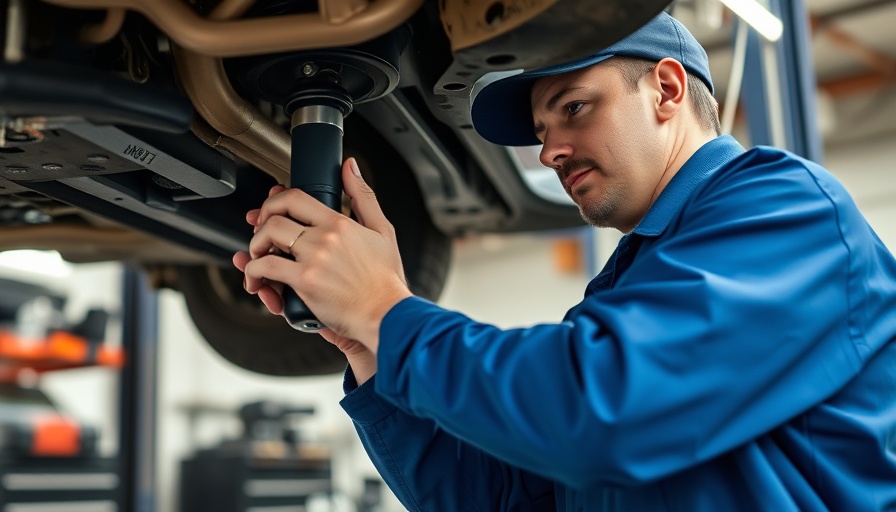
Mechanic working on vehicle suspension system in a workshop.

The Hidden Importance of Your Vehicle's Suspension System

Your vehicle's suspension system is not just there for a smooth ride—it plays a crucial role in your safety. Properly functioning suspension systems have a direct impact on handling, braking, and overall road stability. Whether you're driving through busy city streets or navigating rough rural roads, keeping your suspension in good condition is essential for a safe driving experience.

What Exactly is the Suspension System?

The suspension system comprises multiple components that connect the vehicle's frame to its wheels. Its primary job is to absorb bumps from the road, keep tires in contact with the ground, and aid in steering control. This system includes:

  • Springs: These components support the weight of the vehicle and absorb shock when encountering uneven surfaces.
  • Shock Absorbers and Struts: These hydraulics reduce bounce and sway, providing a smoother ride.
  • Control Arms and Bushings: These links help connect the wheels to the frame, allowing controlled movement.
  • Ball Joints and Tie Rods: These components facilitate wheel alignment during steering movements.

Together, they work harmoniously to enhance driving comfort and safety.

Signs Your Suspension Needs Attention

Over time, suspension components wear due to driving conditions and exposure to the elements. Warning signs that your suspension may need repair include:

  • Increased bouncing or swaying on bumps.
  • Uneven tire wear indicating alignment issues.
  • Unusual sounds like clunks or creaks.
  • Poor steering response, particularly at higher speeds.

Paying attention to these signs can prevent severe safety issues on the road.

Essential Suspension Maintenance Tips

To keep your suspension system in great shape, consider these maintenance tips:

  • Schedule regular inspections during your auto services.
  • Replace shock absorbers and struts when necessary—typically every 50,000 to 100,000 miles.
  • Monitor your vehicle's alignment and tire balance.
  • Stay alert to any changes in ride comfort or unusual noises.
  • Use quality parts during replacements to ensure durability.

Remember, a well-maintained suspension contributes not only to comfort but also boosts safety and vehicle longevity.

For more information on how to keep your vehicle running smoothly, reach out to your local auto service center.

Car Care

2 Views

0 Comments

Write A Comment

*
*
Related Posts All Posts
12.22.2025

Combatting Intake Manifold Carbon Build-Up: Essential Tips for Winter Driving

Update Understanding Intake Manifold Carbon Build-Up As winter settles in, many car owners dismiss feelings of sluggishness in their vehicles as seasonal changes. However, these symptoms—such as rough idling and hesitant acceleration—can signal a more serious issue: Intake Manifold Carbon Build-Up. This article explains why this phenomenon occurs during winter driving and offers preventive maintenance tips to keep your vehicle running smoothly. What Is the Intake Manifold? The intake manifold serves as the "lungs" of your vehicle, gathering the clean air required for combustion and ensuring that it is evenly distributed to the cylinders. A properly functioning intake manifold enhances power and efficiency, translating to a smoother ride. Why Cold Weather Conditions Are a Risk Cold winter trips often prevent engines from reaching their optimal operating temperatures. Short drives trigger incomplete combustion, allowing oil vapors to condense and harden into carbon deposits within the manifold—similar to how exhaust residue collects in a fireplace after prolonged use. Direct-injection engines are particularly susceptible to this problem, as they bypass the intake system entirely. Identifying Symptoms of Carbon Build-Up Keep an eye out for telltale signs of carbon build-up. Common indicators include: Cold stalls after starting your vehicle Engine misfires or pinging during acceleration Reduced fuel efficiency If you experience these issues, it could be time to assess your vehicle's intake system. Effective Maintenance Strategies Prevention is the best approach to maintaining your intake manifold. Consider these methods: Regular Highway Runs: Take your vehicle on longer drives at least once a week. This helps the engine reach the correct temperature, ensuring complete combustion. Use Quality Fuel: Invest in Top Tier gasoline, which contains detergents that assist in cleaning the injectors and preventing build-up. Scheduled Cleanings: For direct-injection models, expert cleaning services like walnut blasting are recommended every 30,000-45,000 miles. By being proactive about your vehicle's maintenance, you can avoid compromised performance this winter. Conclusion: Keep Your Vehicle Healthy Don’t ignore the signs of carbon build-up in your intake manifold. By recognizing symptoms early and adopting preventive habits, you can maintain your vehicle’s efficiency throughout the cold months. For a thorough inspection of your vehicle’s fuel system, contact your trusted auto service professionals today!

11.21.2025

The Critical Importance of Antifreeze for Your Car's Longevity

Update Understanding the Essential Role of Antifreeze in Auto MaintenanceAntifreeze, commonly known as coolant, is an essential fluid that ensures your vehicle operates efficiently. It plays a crucial role in regulating engine temperature, preventing freezing in harsh winter conditions, and avoiding overheating during summer months. By maintaining optimal temperatures, antifreeze protects vital engine components from damage, extending the life of your vehicle.Why Antifreeze Is More Than Just Seasonal MaintenanceRegular upkeep of your antifreeze is critical for ensuring peak performance. Many car owners may not realize that over 40% of engine failures can be attributed to cooling system issues, largely preventable with proper coolant maintenance. Antifreeze not only stabilizes temperatures but also fights against rust and corrosion that can damage the internal structure of the engine over time.Signs You Should Check Your AntifreezeVigilance can save you from costly garage visits. Look out for indicators such as:Visible leaks: Puddles of fluid can hint at coolant issues.Unusual engine temperatures: Dashboard alerts about fluctuating temperatures could indicate antifreeze failure.Sweet smell: A distinct odor around your car may signal a coolant leak.These signs, if ignored, can escalate into severe problems, disrupting your driving experience and leading to high repair costs.Best Practices for Antifreeze MaintenanceKeeping your antifreeze in top shape is straightforward. Here are key practices to follow:Regular checks: Inspect your coolant levels at least twice a year.Use the correct type: Not all engines require the same antifreeze. Always refer to your vehicle’s manual to choose the right type.Schedule flushes: Aim to flush your cooling system every two to five years based on the product used or your driving conditions.Being proactive in these areas helps you ensure that your engine remains reliable and efficient.For further assistance, consider taking your vehicle to professionals at Shade Tree Garage, who can perform thorough checks on your cooling system to prevent future issues.

10.23.2025

Prepare Your Vehicle for Winter: Essential Maintenance Tips

Update Winter Preparation: Essential Steps to Ensure Vehicle Safety As winter's chill sets in, preparing your vehicle becomes increasingly vital for ensuring safety on the icy roads. It isn't just about making it through a snowstorm; it's about protecting your vehicle while increasing your confidence behind the wheel. Understanding the essential winter car maintenance practices can help prevent breakdowns and ensure a safe driving experience throughout the cold months. Inspect and Upgrade Your Tires The first step in winter preparation is ensuring your tires are ready for winter’s harsh conditions. Since tires are your vehicle’s only contact with the road, checking their tread depth and sidewall condition is critical. A tread depth of at least 6/32 inch is necessary for optimal performance in snowy or icy conditions. If you frequently drive in winter weather, consider switching to winter tires designed for better traction. Maintaining proper tire pressure is equally crucial; cold air causes pressure to drop, impacting grip and fuel efficiency. It's recommended to check tire pressure weekly to keep your vehicle safe. Fluids Matter: Ensure Optimal Levels Next, don’t overlook your vehicle’s fluids. Cold temperatures can thicken engine oil, making it less effective at startup. Switching to a winter-grade oil can aid in performance, while ensuring your coolant is mixed properly—typically a 50/50 blend of antifreeze and distilled water—will prevent freezing. Also, use winter-specific windshield washer fluid to maintain visibility during snow or sleet. Test Your Battery and Charging System Winter can be tough on car batteries. They tend to lose capacity in cold weather, leading to potential start-up issues. Before the season hits, have your battery tested to check its voltage and cold cranking amps. Clean any corrosion on the terminals, and if your battery is older than three years, consider replacing it to avoid unexpected failures. Check Wipers and Visibility Systems Visibility is paramount during winter. Ensure your wiper blades are equipped to handle icy conditions by replacing them with winter-rated models if needed. Additionally, testing your defroster and heating system can prevent dangerous visibility issues while driving. Your Final Winter Readiness Checklist To summarize, here’s a checklist to follow as you prepare for winter: Schedule a complete vehicle inspection with your mechanic. Verify all lights are operational to facilitate clear communication on the road. Lubricate door seals to prevent freezing. Keep an emergency kit ready with blankets, jumper cables, and more. By performing proper maintenance, you will protect your vehicle from seasonal damage and enhance your overall driving safety. Proactive winter car care is not just a task; it's a commitment to ensuring peace of mind during the cold months. Don't let winter catch you off guard—contact your local auto service team today to schedule your pre-winter vehicle inspection!

Terms of Service

Privacy Policy

Core Modal Title

Sorry, no results found

You Might Find These Articles Interesting

T
Please Check Your Email
We Will Be Following Up Shortly
*
*
*