Add Row
Add Element
cropper
update

Auto Sphere US

update
Add Element
  • Home
  • Categories
    • Car Reviews
    • Automotive News
    • Tech and Gear
    • Car Care
    • Classifieds
September 07.2025
2 Minutes Read

The Mercedes-Benz GLC Goes Electric: Unveiling Impressive Specs and Innovations

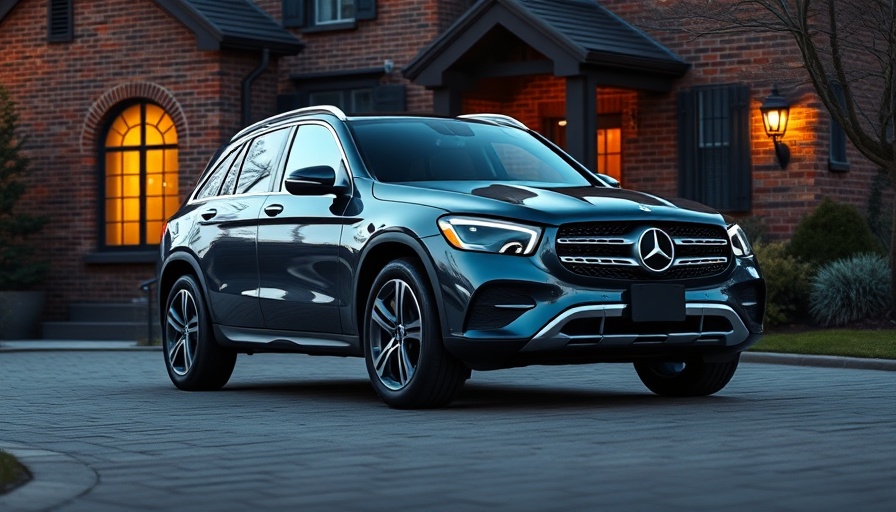
Sleek Mercedes-Benz GLC Electric in elegant residential setting.

A New Age for Mercedes: The GLC Goes Electric

The Mercedes-Benz GLC is stepping boldly into the electric future with its new GLC EQ Technology, marking a pivotal evolution for one of the brand’s most popular SUVs. Since its US launch in 2015, the GLC has been a favorite among luxury SUV buyers, consistently outperforming competitors like the Audi Q5 and BMW X3. The introduction of its first fully electric model positions the GLC to compete with emerging electric entries like the Audi Q6 and Porsche Macan.

Significant Performance Stats Reveal Competitive Edge

The new GLC features a potent 94.0 kilowatt-hour battery pack that offers up to 483 horsepower, outperforming the BMW iX3 by 20 horses. Not only does this electric vehicle (EV) promise powerful acceleration, but it also brings substantial towing capabilities, rated at an impressive 5,291 pounds when equipped with a trailer hitch. Furthermore, the GLC harnesses 800-volt architecture for exceptional efficiency, achieving a remarkable estimated range of 443 miles on Europe’s WLTP cycle. However, US regulatory figures may reflect a lower range, indicating a need for dealers to educate consumers on real-world use.

Innovative Technologies Elevate Driving Experience

One standout feature of the GLC is its ability to recover up to 188 miles of range in a mere 10 minutes of charging—an attractive specification for potential buyers seeking convenience. With optional Airmatic suspension from the S-Class and advanced features such as Google Maps integration for ride-height control, the GLC promises a sophisticated and smooth driving experience. Moreover, its adaptation to varying road conditions ensures optimal ride quality, making this SUV not only a powerful option but also a technologically advanced one.

Unmistakable Design: Modern and Bold

Mercedes-Benz has reimagined the GLC’s aesthetic with a standout illuminated grille featuring 942 points of light—a design choice that may divide opinions among potential buyers. Nonetheless, it’s a bold shift aimed at distinctly differentiating the electric model from its gasoline predecessors. This flashy front is complemented by LED headlights and innovative digital lighting options, enhancing both style and safety.

What This Means for the Future of the Automotive Market

As electric vehicles continue to gain traction within the automotive market, the Mercedes-Benz GLC's introduction positions it favorably against its rivals, signaling a shift that dealers must prepare for. The demand for EVs is growing rapidly due to environmental awareness and regulatory pushes, showcasing the importance of adapting inventory to include electric options. Understanding the specifications and unique selling points of vehicles like the GLC EQ will become crucial for dealers and manufacturers alike.

As we move forward, staying informed about advancements in vehicle technology and consumer preferences will be key. Consider how potential buyers will respond to models like the GLC and ensure your inventory reflects these industry shifts.

Automotive News

4 Views

0 Comments

Write A Comment

*
*
Related Posts All Posts
01.16.2026

Exploring Porsche’s Electric Renaissance: Every Third Porsche Sold in Europe Was Electric

Update The Paradigm Shift: Porsche’s Electric Milestone in EuropePorsche's recent sales figures in Europe unveil a significant milestone: for the first time, every third Porsche sold in the region was an electric vehicle (EV). In stark contrast to previous years where internal combustion engine (ICE) vehicles dominated, electrified models—including plug-in hybrids (PHEVs)—accounted for 57.9% of total sales. This shift signifies a larger trend within the auto industry towards sustainable mobility.The Bigger Picture: A Fluctuating MarketWhile Porsche celebrates this electrification milestone, it faced a notable decrease in overall sales in 2025, reporting a 10% decline to 279,449 units globally. This downturn is partially attributed to regulatory challenges and the withdrawal of key models like the 718 and original Macan due to new cybersecurity demands. As manufacturers navigate this evolving market landscape, consumer preferences are increasingly influenced by performance alongside sustainability.EV Adoption: What Lies Ahead for PorscheThe journey ahead for Porsche and other legacy car brands hinges on their capacity to innovate and adapt. The newly introduced Macan EV, accounting for the majority of the crossover sales, highlights the brand's commitment to electric offerings. Industry analysts predict that the sustained growth of the EV market will depend on brands effectively balancing electric and ICE products as they adapt to consumer expectations and regulatory requirements.Conclusion: Reflections for Dealerships and ManufacturersFor auto dealers and manufacturers, these developments underscore the pressing need to align inventory and marketing strategies with the prevailing market trends. By embracing the shift towards electrification and remaining informed about technological advances and regulatory changes, stakeholders can position themselves advantageously in the evolving automotive landscape.

01.15.2026

Honda's New Logo: Redefining Brand Identity Across the Automotive Industry

Update Honda’s New Logo: A Transformation for the Auto Industry Honda has revealed an updated version of its iconic "H" logo, which will soon be featured prominently across its entire lineup. Initially showcased on the Zero Series electric vehicles, the revamped logo represents not just a shift in design but a broader evolutionary step for the brand itself. Since its inception in 1963, the Honda logo has undergone several redesigns to reflect changing times and technologies. More Than Just A Logo Change This new emblem, described by Honda as a marker of a "second founding," reflects the automaker's commitment to embracing electrification and modern technological advancements. With the automotive market shifting rapidly, Honda emphasizes the need for a visual identity that resonates with new consumer sentiments and the broader environmental consciousness. This logo change will extend beyond the vehicles themselves, influencing dealership signage and even Honda's motorsport branding. Historical Context of the Honda Logo Evolution The old logo, widely recognized for its surrounding square circle, has served Honda since 1981, drawing elements from its historical roots. The new design simplifies the emblem, focusing on the dual meaning of two outstretched hands—symbolizing harmony and care. This strategic pivot comes as many automobile manufacturers, like Ford and GM, are rebranding to align with evolving customer expectations and global energy sustainability goals. Upcoming Releases—What to Expect Enthusiasts can expect to see the first applications of the new logo on Honda's electric and hybrid vehicles starting in 2027. Not only will the logo's initial debut focus on eco-friendly models, but it will subsequently roll out across all future Honda vehicles including popular models like the Accord and Civic. This strategy aligns Honda with global trends that prioritize electric vehicle production and consumer demand for cleaner alternatives in the automotive marketplace. Implications for Dealerships and the Automotive Market The adoption of a new logo reflects broader changes within the auto industry, as companies seek to embody a more modern and responsive image. This transformation is not solely aesthetic; it represents a commitment to a greener future, inviting both existing and new customers to engage with the Honda brand. As dealerships begin to implement the new branding, we can anticipate changes in everything from signage to promotional materials, all aimed at modernizing the customer experience when purchasing a vehicle. With Honda's plans to unveil the new logo across various platforms, including dealerships and motorsports, stakeholders from auto dealers to insurance companies must prepare for the brand's refreshed identity. The future is electric, and Honda aims to be at the forefront of this transformation. As the automotive industry continues to shift gears, it will be crucial for businesses to keep pace with these developments to remain relevant in a rapidly evolving landscape.

01.14.2026

Electric BMW M3: A Quad-Motor Beast with Engine Simulations

Update The Evolution of Performance: Meet the Electric BMW M3BMW is stepping into the electrified future with the upcoming M3 EV, a model that promises to redefine performance while staying true to the brand's racing heritage. Set to debut in 2027, the electric M3 is a response to the growing demand for high-performance electric vehicles (EVs) without sacrificing the excitement that M drivers crave. Featuring an innovative quad-motor setup, the new BMW M3 aims for both exhilarating driving dynamics and increased efficiency, marking an evolutionary step in the automotive industry.Power and Performance: What's Under the Hood?At the heart of the BMW M3 EV are four electric motors—two on each axle. This configuration ensures standard all-wheel drive while also offering the option to disengage the front motors for rear-wheel drive fun, a nod to traditional M cars' driving characteristics. The M3's performance credentials are bolstered by a substantial 100-kWh battery pack designed specifically for high-performance applications. While official horsepower figures remain under wraps, estimates suggest that the electric M3 could exceed 700 hp, a figure in line with BMW’s commitment to high-performance vehicles.Simulating the Driving Experience: A Bit of NostalgiaIn an effort to maintain the essence of the M legacy, BMW is incorporating simulated gear shifts and artificial engine noises into the driving experience of the electric M3. These features aim to replicate the excitement of a traditional combustion engine while allowing purists to opt for a quieter drive. This duality of options reflects a transitional mindset in the auto industry, where brands seek to balance innovation with the desires of longtime enthusiasts.Market Trends: Is the Future Electric?As the automotive landscape evolves, the pivot from internal combustion engines to electric drivetrains is becoming increasingly evident. Although traditional M buyers may remain loyal to the roar of an inline-six, the demand for electric performance cars is surging. The success of models like the BMW M3 EV will ultimately hinge on whether these consumers are ready to embrace the electric shift. With competitors also entering the electrified performance segment, the market is ripe for disruption.Conclusion: An Exciting Future AheadThe BMW M3 EV signifies more than just a new model; it represents a turning point for a brand steeped in performance and racing heritage. As it prepares to enter a competitive market, the guiding principle will be balancing cutting-edge technology with classic driving excitement. Whether you’re an auto dealer, manufacturer, or enthusiast, the electric future of cars is here, and it’s time to embrace the change.

Terms of Service

Privacy Policy

Core Modal Title

Sorry, no results found

You Might Find These Articles Interesting

T
Please Check Your Email
We Will Be Following Up Shortly
*
*
*